A Room-by-Room Checklist to Cut Your Energy Bills Before Winter
A Room-by-Room Checklist to Cut Your Energy Bills Before Winter
Cold mornings arrive before we are ready for them, and so does the first serious bill of the winter. Most of the fixes that actually make a difference are cheap, quick and entirely within your control. Set aside an afternoon, walk the house room by room, and you will normally find a handful of things worth doing — plus a few habits that cost nothing at all.
Work in the order your money leaks out: draughts first, then wasted heat, then appliances and hot water. Keep a notepad with you and separate the jobs into free, cheap and call a professional. That way you avoid spending hundreds on a new boiler when a £3 roll of draught seal would have solved the worst of the problem.
Heat your home, not the street. Every gap you seal and every degree you lower is money that stays in your pocket.
The living room
Start with the radiator. If it is hot at the bottom and cold at the top, it needs bleeding with a radiator key. Trapped air means you pay to heat water that never fills the panel, so the room never quite warms up and the thermostat keeps asking for more. If it is cold at the bottom and hot at the top, that is usually sludge and may need a flush. Check that nothing blocks the heat either: a sofa pushed against a radiator, or curtains draped over it, sends warmth straight out of the window.
Then hunt draughts, which are rarely where you expect them.
- An unused fireplace and its open chimney
- Gaps under skirting boards and between ground-floor floorboards
- Letterboxes, keyholes and the gap around doors
- Windows that no longer sit tight in their frames
A chimney balloon or draught excluder can stop an unused flue from acting like an open window, but never block a chimney that serves a gas fire or solid-fuel appliance. Around doors, a brush strip and a letterbox flap cost very little. For windows, self-adhesive foam or brush seals work on many frames, and clear silicone sealant can close fixed gaps — though renters may prefer removable seals that come away without damage.
Close curtains at dusk, keep them clear of radiators, and use thermostatic valves to hold spare rooms a little cooler than the rooms you sit in. Thermal or lined curtains make a noticeable difference, and a reflective panel behind a radiator can bounce a little more heat into the room. Then look at what is plugged in. Televisions, consoles, set-top boxes and chargers all draw power on standby, and a switchable extension lead turned off at night can shave a few pounds a month across a household. If you still have halogen bulbs, swapping them for LEDs is one of the simplest upgrades you can make.
The kitchen
This is where small habits compound. Boil only the water you need. Cook with the lid on and match the pan to the ring. Ovens rarely need a long preheat unless you are baking, and batch cooking, defrosting overnight in the fridge and reheating in the microwave all cost less than cooking from scratch twice. A slow cooker or air fryer can also be cheaper than heating a large oven for a small meal.
Give the fridge and freezer a look. Trap a piece of paper in the door — if it slides out easily, the seal needs replacing. Leave a few centimetres clear behind the appliance and keep it away from the oven where you can. A freezer runs better full than half empty; a fridge runs worse when it is packed so tightly that air cannot circulate. Check the temperature: around 3–5°C for the fridge and -18°C for the freezer is usually right.
Washing machines are happiest with a full load at 30°C. The tumble dryer is the most expensive appliance in most homes, so spin clothes faster and dry them on an airer or outside whenever the weather allows. Clean the lint filter before every dryer load, and avoid overdrying. Run the dishwasher full and on an eco cycle, and skip the habit of rinsing plates under the hot tap first. Scrape scraps into the bin instead.
The bathroom
Hot water is where a lot of winter money disappears. A shower usually beats a bath, but only a short one — a long power shower can easily overtake it. An aerated shower head mixes air into the flow and gives a decent shower for less hot water, though it will not suit every system. A shower timer or a song-length limit is a surprisingly effective way to cut minutes without feeling deprived.
If you have a hot water cylinder, make sure it wears a well-fitted jacket and that the pipes running from it are lagged. Keep the cylinder thermostat at 60°C to reduce the risk of legionella, and lag any exposed hot pipes you can reach. Fix dripping hot taps promptly: a steady drip wastes hot water all day and can stain the basin. If the shower runs cold before you are finished, the issue may be the boiler setting rather than your habits, so check the hot water temperature before replacing anything.
Run the extractor fan during showers and for a few minutes afterwards. Damp air makes a room feel colder and encourages mould, but leaving the fan on for an hour wastes electricity. If the fan is noisy or weak, clean the grille; if it is old, a modern humidistat fan will run only when it is needed.
The bedrooms and hallway
The bedrooms
Bedrooms do not need to be as warm as living rooms. Set thermostatic valves to around 15–16°C and close the door to keep the heat where you are. A few extra blankets, a warmer duvet and a hot water bottle cost far less than heating the whole room all evening. An electric blanket used to warm the bed before you get in is another low-cost option, but follow the manufacturer’s instructions and switch it off before sleeping unless it is designed for all-night use.
Check bedroom windows for draughts and make sure curtains are not tucked behind radiators. If you work from home, heating one small room with a timer or a low-wattage heater can sometimes beat warming the whole house, but compare the running cost first. Keep internal doors closed so heat stays in the rooms you actually use.
The hallway, stairs and front door
The front door is often the biggest single draught in the house. Fit a brush or rubber seal around the frame, add a letterbox flap and a keyhole cover, and consider a heavy curtain across the door if the hallway is always cold. If you have a porch, use it as a buffer: close the inner door before opening the outer one. Seal gaps around the frame with draught-proofing strip, but do not block any permanent ventilation that a boiler or gas appliance needs.
Internal doors matter too. Keeping them closed creates simple heating zones, so you are not paying to warm empty bedrooms and bathrooms. If stairs feel chilly, check for gaps under the bottom step and around skirting boards. A rolled-up draught excluder at the bottom of a door is cheap, effective and easy to remove when you need to.
The controls and the bigger picture
Finally, look at how you run the heating rather than just the rooms. Set the thermostat to the lowest comfortable temperature — often 18–20°C when you are in, lower at night or when out — and use the timer so it is not heating an empty house. Smart controls can help, but only if you actually use the schedules; a programmable thermostat set once and forgotten is just as good for many homes.
Service the boiler before winter, bleed radiators once the heating is running, and check that radiators are not blocked by furniture. If you have a condensing boiler, turning the flow temperature down a little can improve efficiency, but check the manual or ask a heating engineer first. Draught-proofing and loft insulation usually pay back faster than replacing windows, and many energy suppliers or local councils offer grants or advice for insulation and heating upgrades.
None of this requires a major renovation. Spend one afternoon sealing, bleeding and unplug
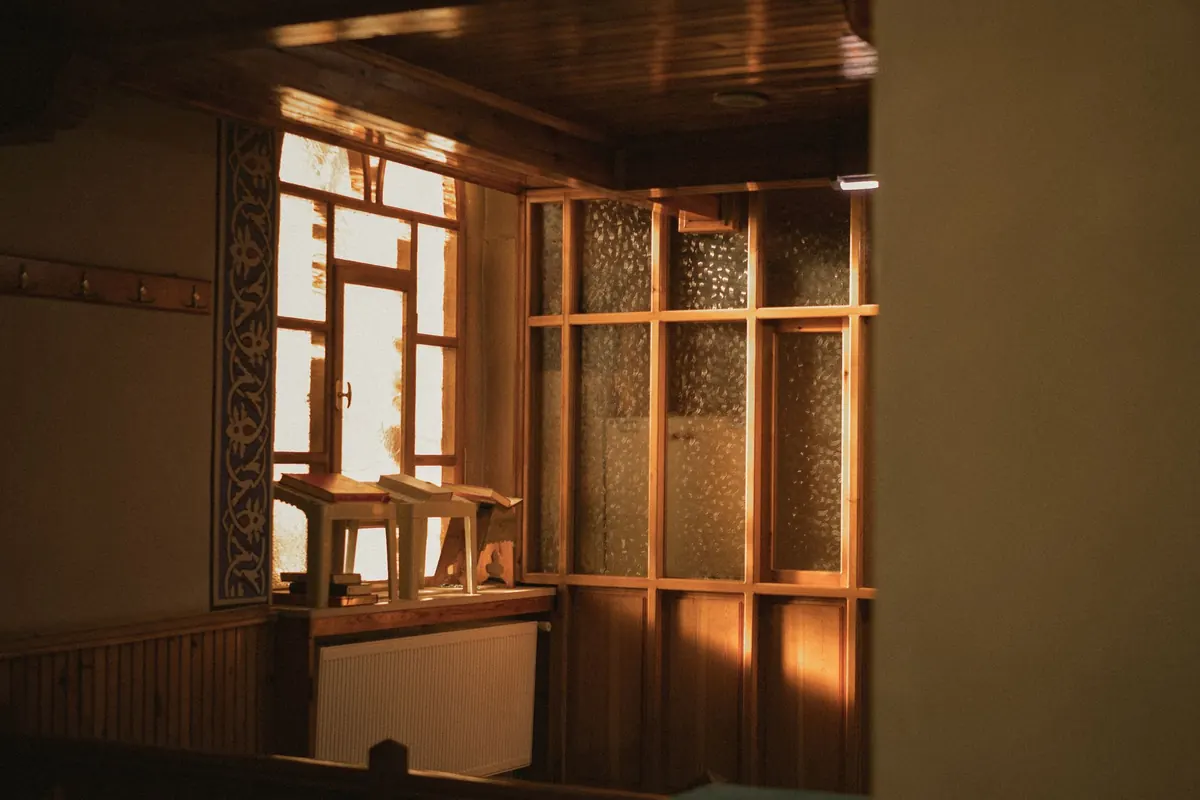
Photo: Orhan Pergel / Pexels